Hospitality audio built for service hours.
Commercial audio differs from residential in one respect that changes everything else: it runs all day, every day, in front of people who are paying to be there.
What makes hospitality different
Duty cycle, not peak output
A living room speaker plays a few hours a day. A restaurant speaker plays every service period, most days of the week. Sustained drive heats the voice coil, resistance rises, and output progressively falls — thermal compression. A chassis that conducts heat away, as XSCACE's aerospace aluminium housings do, is worth more here than a higher peak rating.
Music sits under conversation
The target level is deliberately low — present, never competing. That means many speakers at modest level rather than few working hard, and it is why high-sensitivity models are specified even when nothing will ever be played loudly.
Zones are the design
A bar, a dining room, a terrace and a private room all want different levels and often different sources at the same time. Channel and zone count must be planned against the actual room count before any cable is pulled.
What we’d specify here.
Bonsai
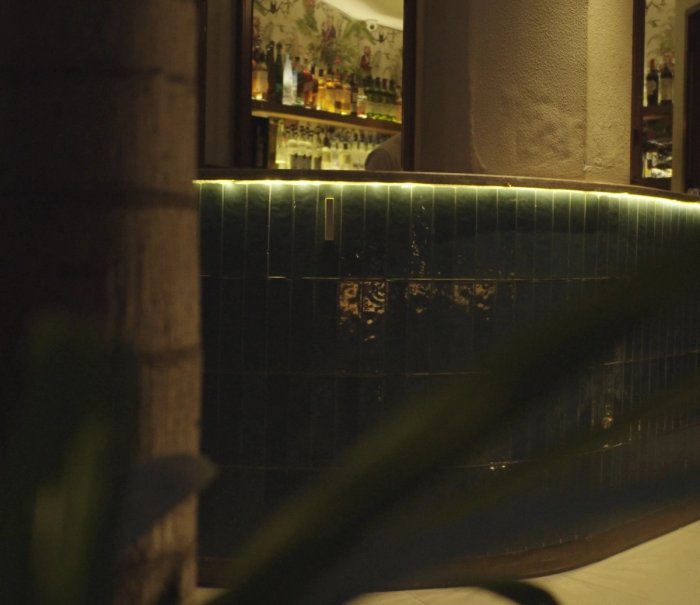
12mm deep, so it mounts to bar fascias, glazed tile and stucco pillars where nothing else fits. Aerospace aluminium chassis doubles as a passive heatsink for long service hours.
View Bonsai →Cane
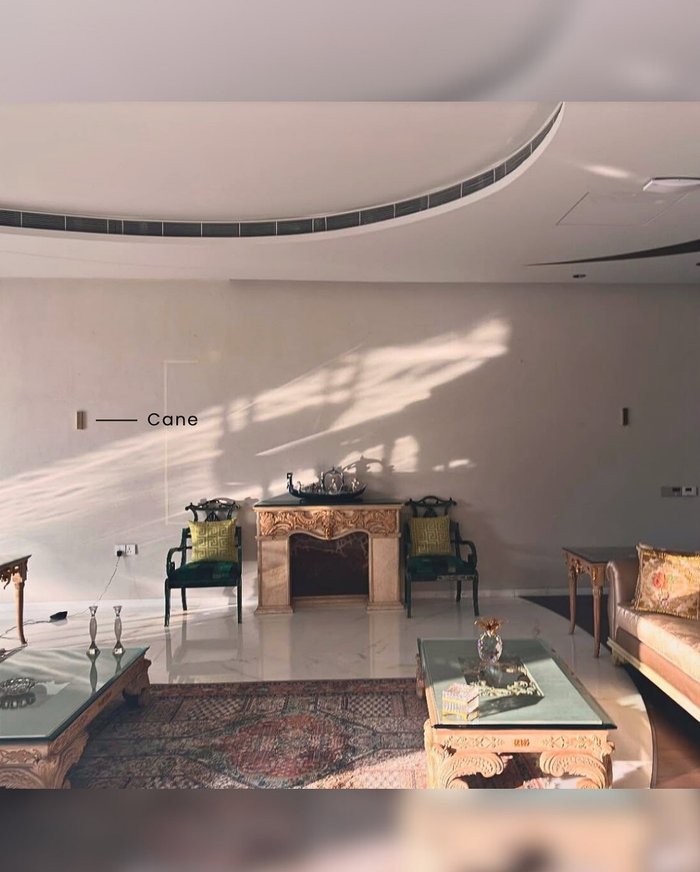
IP66 at 23mm, letting one product line cover interior dining, a covered terrace and an exterior facade — a single spec sheet for the installer across every zone.
View Cane →Cedar
100W RMS at 96dB for hotel-scale reception and lobby volumes, where hard marble and glass demand genuine reserve capacity.
View Cedar →Lucifer 8
Eight channels at 250W RMS each — four stereo zones from one rack unit, which is usually the right granularity for a venue with bar, dining, terrace and private room.
View Lucifer 8 →Real hospitality & commercial installations.
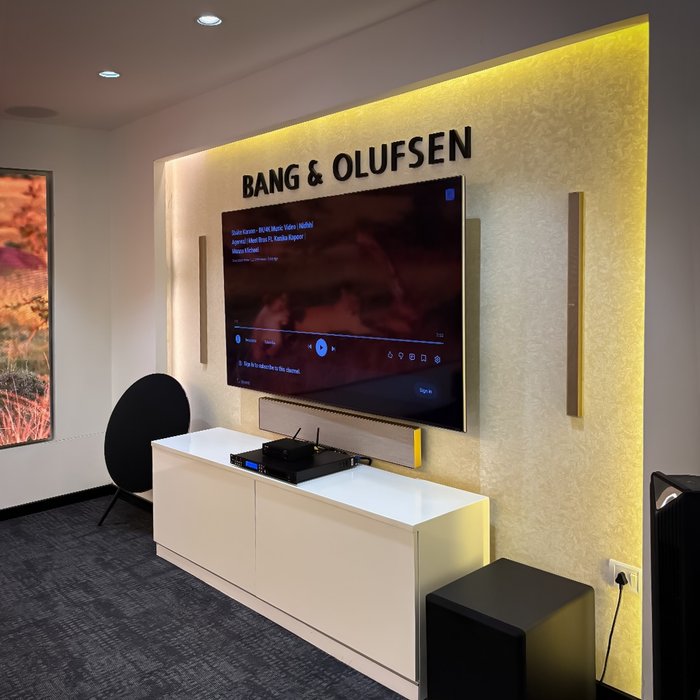
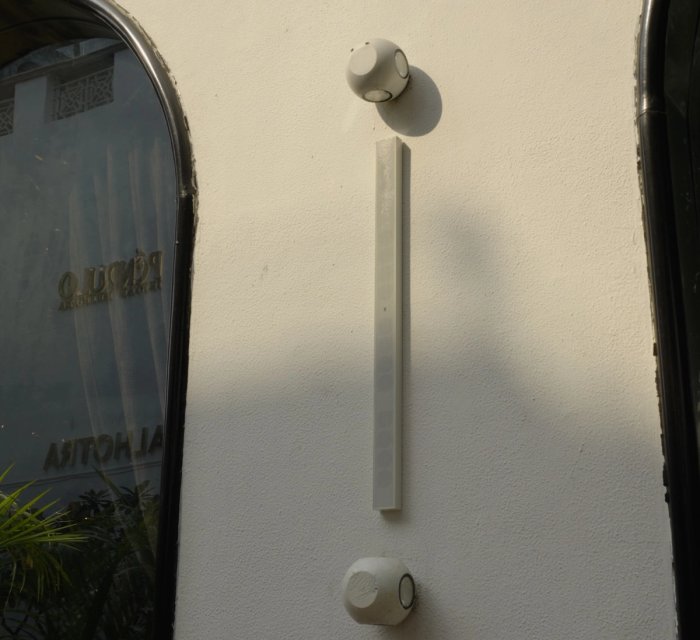
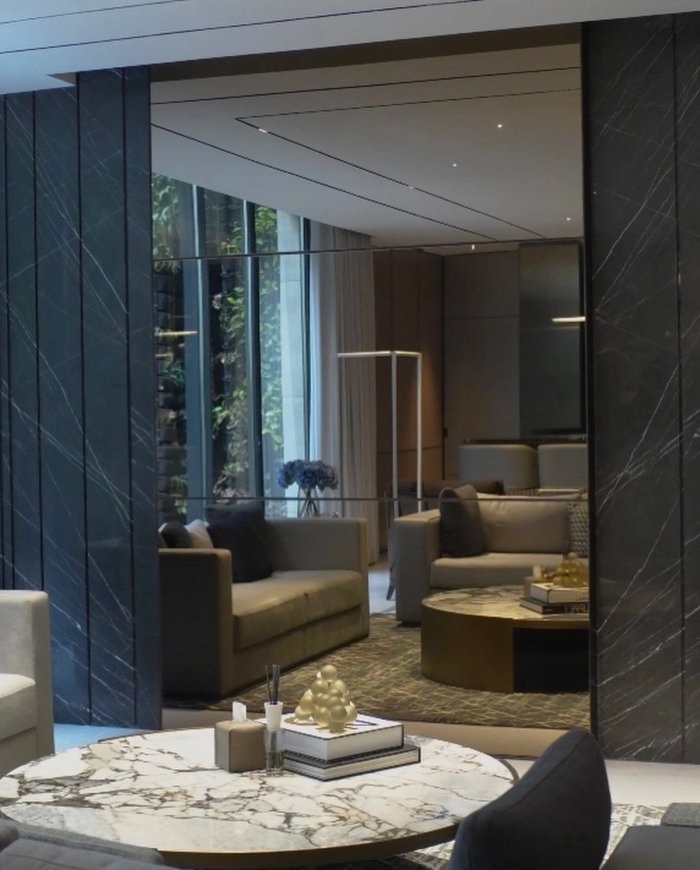
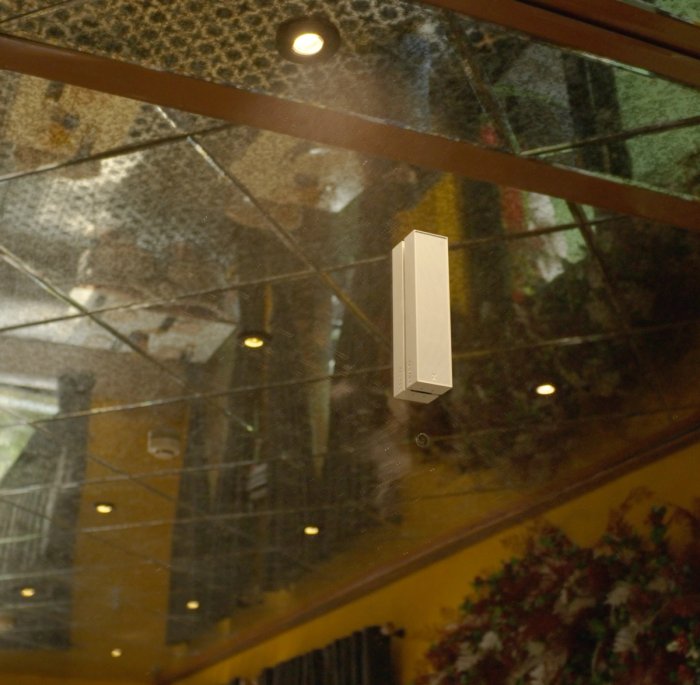
Hospitality & Commercial questions.
Can architectural speakers handle commercial duty cycles?
Yes, provided the chassis dissipates heat. Sustained playback heats the voice coil and causes thermal compression — progressively reduced output. XSCACE uses aerospace aluminium housings machined to act as a passive heatsink, which matters more in hospitality than in intermittent home use.
How many zones does a restaurant need?
One per area that needs independent level or source — typically bar, main dining, terrace and any private room. Plan channel count against that before cabling; under-provisioning forces areas to share a zone that should have been separate.
What speakers work for an outdoor restaurant terrace?
IP66-rated models. Cane is IP66 at 23mm, and Camphor or Spirea suit fully exposed garden dining. Open-air areas also need more output than their floor area suggests, because there are no walls to reflect sound back.
What volume should background music be in a restaurant?
Present but below conversation. Practically this means several speakers at modest level rather than a few driven hard — which is why high-sensitivity speakers are specified even where nothing is ever played loudly.