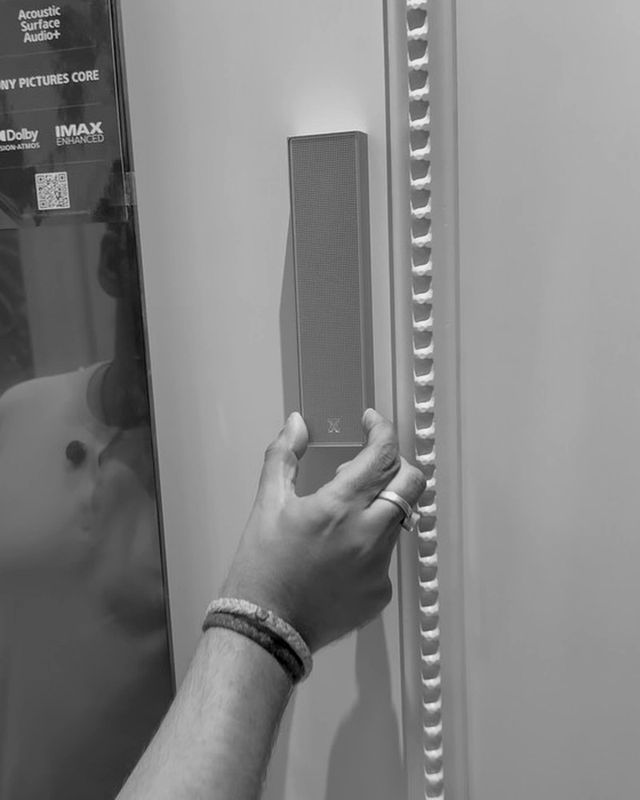
Your architect spent months on that wall. We spent years making sure nothing ruins it.
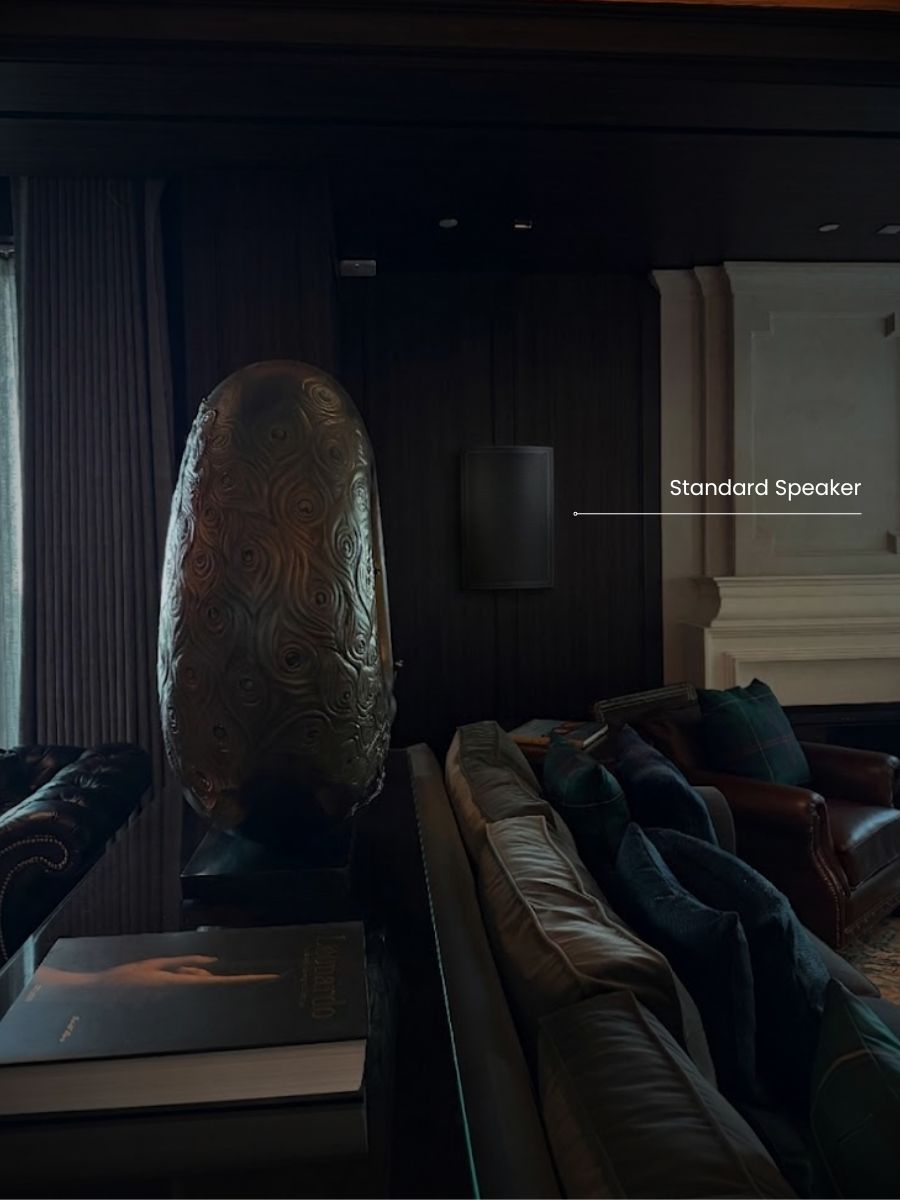
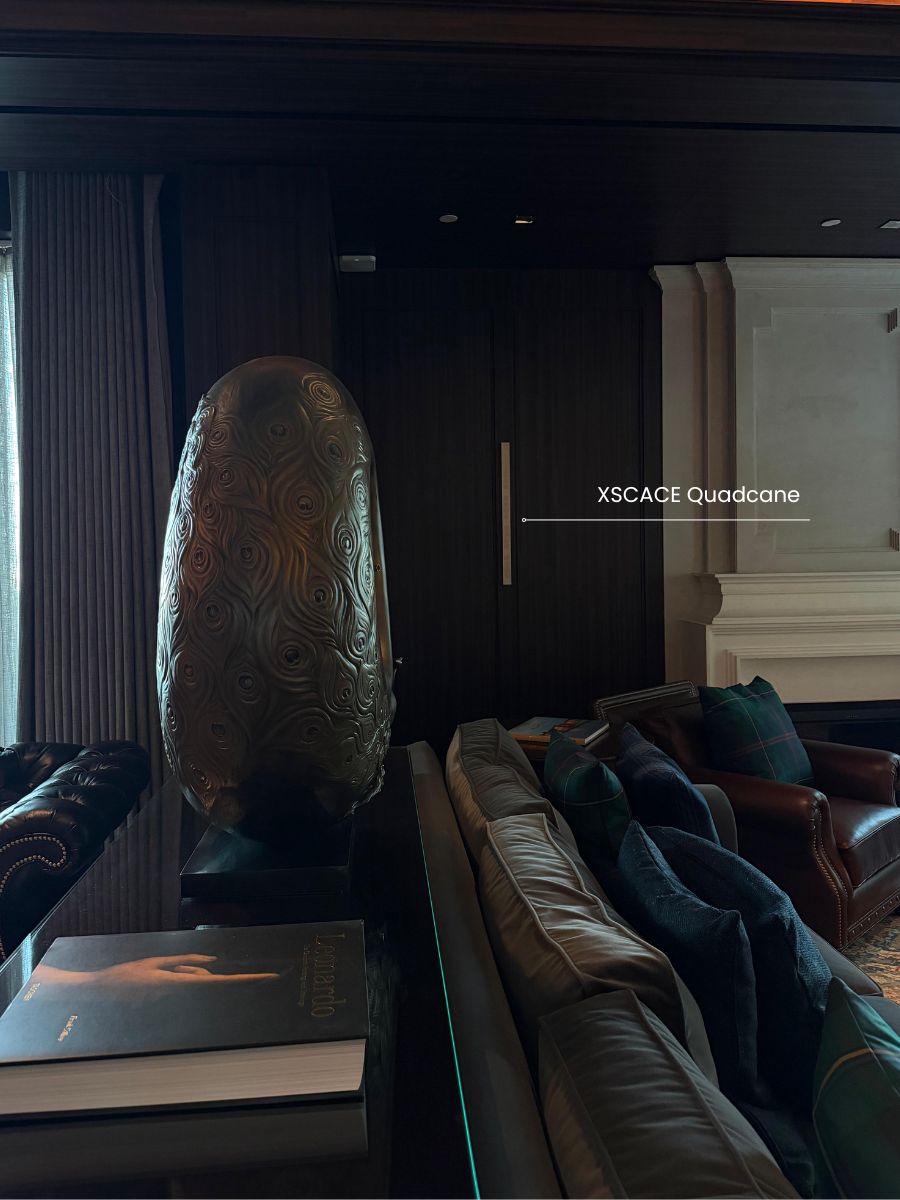
Invisible. But worth every penny.
We founded XSCACE because architectural audio always demanded a compromise. Speakers were either discreet but sonically hollow, or acoustically excellent but visually intrusive. We wanted the speaker you never see — but one that makes you feel your money was well spent even when the music is off.
You can only choose two.
Hoffman's Iron Law: in any speaker, you can only optimise two of three — low frequency response, efficiency, or small enclosure size. We chose to sacrifice efficiency deliberately, engineering a heavier cone mass to push the resonant frequency lower from a miniature enclosure.
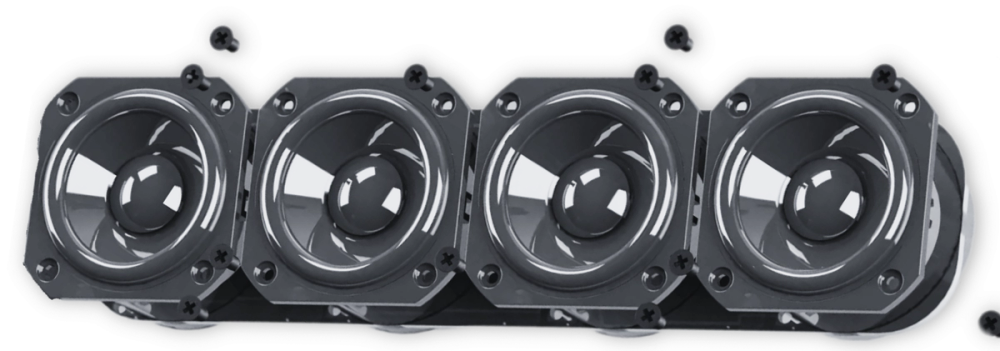
Copper-silver composite. Thick gauge. No thermal compression.
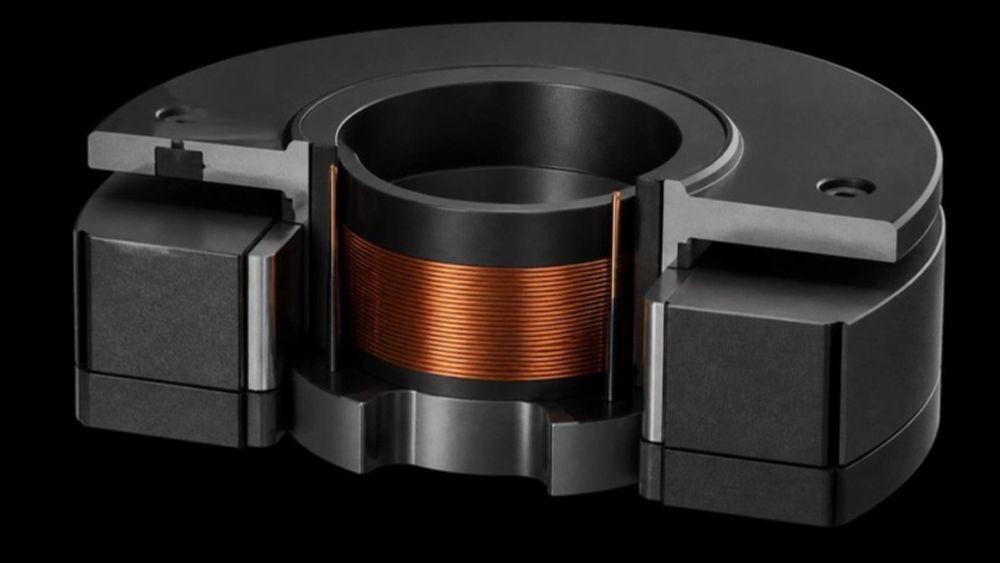
Lower efficiency means more power. More power means heat in the voice coil. We wound the coil from copper-silver composite wire — silver reduces resistive heating; copper provides structural mass. Heavy gauge handles sustained high-power without driver failure.
The enclosure is the heatsink.
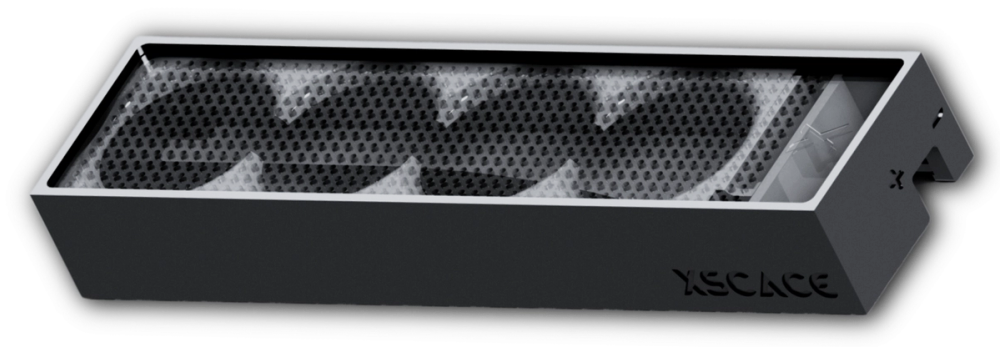
Heat that cannot escape destroys drivers. We machined the chassis from 6061 aerospace aluminium with geometry designed as a passive heatsink. The enclosure itself draws heat away from the voice coil — it glows with thermal energy, then dissipates it through the body.
A crossover miniaturised to invisibility.
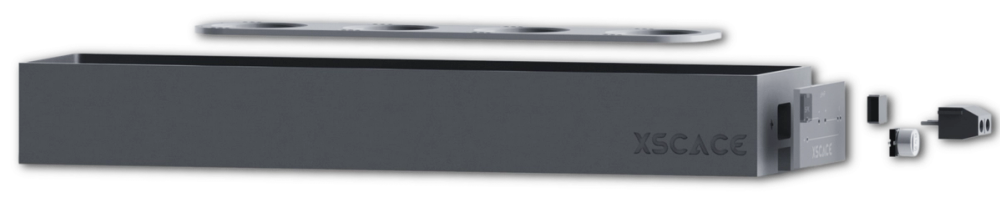
Air-core inductors, polypropylene capacitors and metal-film resistors — hand-selected to ±0.5dB tolerance — miniaturised directly inside the speaker housing. Click each component to understand its role.
12mm deep. Sound shaped from within.
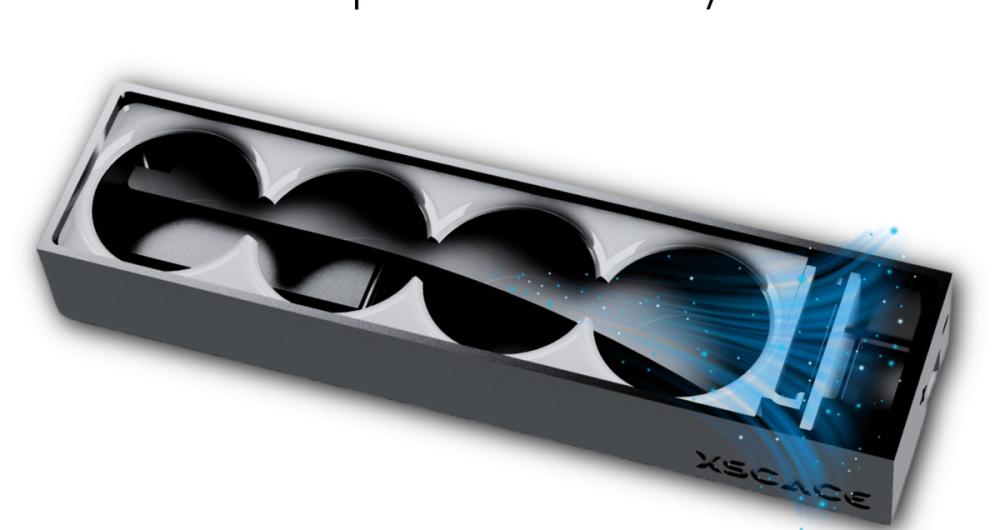
Our Bonsai speaker is just 12mm deep. Inside that enclosure, micro-waveguides redirect and phase-align the sound wave before it exits through the port — extending frequency response and controlling dispersion far beyond what the physical size suggests.
Fletcher-Munson. In silicon. In real time.
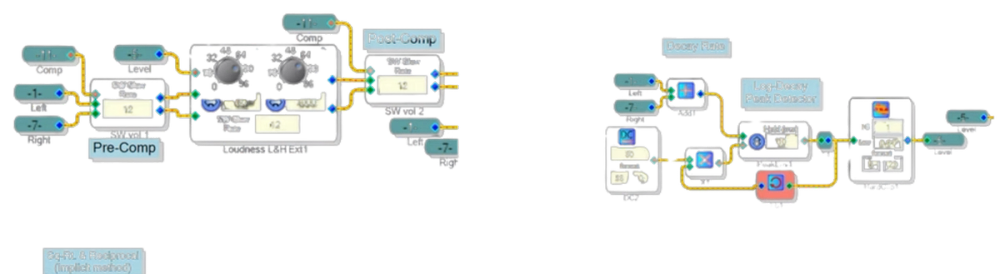
Human hearing is not linear. At low volumes, the ear perceives bass and treble as quieter. PsySculpt™ runs on the ADAU1701 DSP inside Xylem: Pre-Comp → Loudness L&H (LP@60Hz, HP@7kHz) → Post-Comp → Log-Decay Peak Detector → Dynamic Bass → DAC.
Three things are coming.
Xylem moves to general release. New PC and iOS controller software brings the full DSP to every platform. And for the first time — a designer powered speaker: all six chapters of physics built in, no external amplifier required.