
Ghost 2.0 vs Traditional Ceiling Speakers: What Architects Need to Know.
- Aug 29, 2025
- 2 min read
Updated: Sep 13, 2025
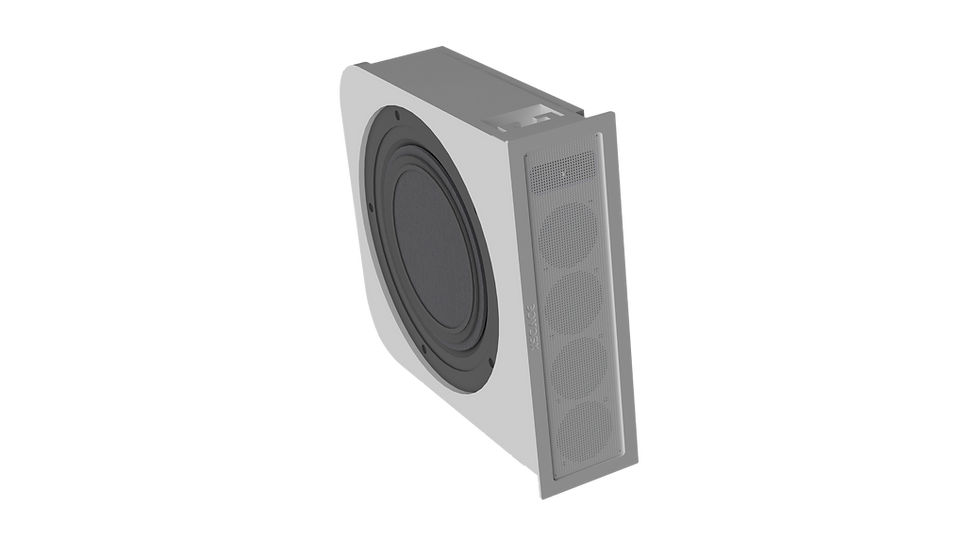
Discover how XSCACE Ghost 2.0 compares to traditional ceiling speakers. Explore design, performance, and installation advantages for modern architectural spaces.
When it comes to ceiling speakers, most architects and interior designers have had to choose between form and function. Traditional in-ceiling speakers often compromise aesthetics, protrude from clean lines, or require bulky enclosures. But with the launch of the XSCACE Ghost 2.0, the equation changes. In this comparison, we break down exactly how Ghost 2.0 redefines what's possible in ceiling-integrated audio
1. Design Aesthetics: Minimalism Wins
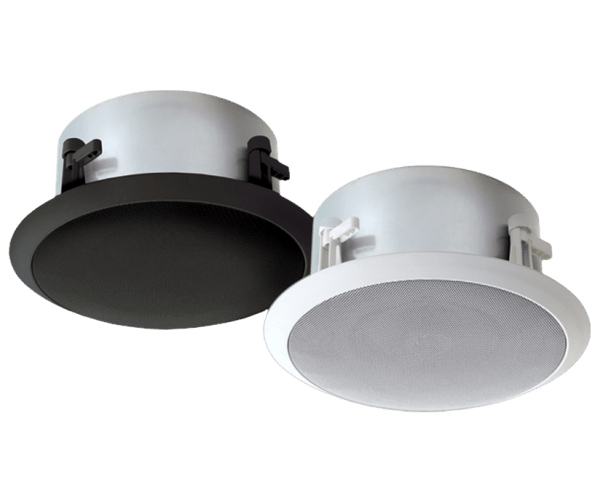
Traditional Ceiling Speakers: Usually feature plastic bezels, large grilles, and visible frames. Even "flush mount" versions rarely blend perfectly with premium ceilings.

Ghost 2.0: Built with a milled aluminum body, a sleek edge-to-edge finish, and optional zero-bezel grille. It disappears into ceilings without compromising material or visual continuity.

Architect Insight: "It looks like part of the architecture, not an add-on.
2. Sound Performance in Compact Form
Traditional Speakers: Offer decent sound, but larger woofers often require deeper enclosures, making them unsuitable for modern low-profile ceiling systems
Ghost 2.0: Features a custom-engineered 5.5” PowerDense™ driver paired with XS-Flow™ dual porting. It delivers impressive low-end clarity and room-filling mids from an ultra-shallow chassis.


Result: Fewer compromises on fidelity, even in small ceiling cavities.
3. Installation and Integration
Traditional Speakers: Require deeper cutouts, complex wiring paths, and often clash with HVAC, lighting, or framing elements.

Ghost 2.0: Designed for shallow mounts, low-intrusion installs, and flexible grille orientation. Ideal for tight spaces or overlapping MEP zones.

Bonus: Engineered to work seamlessly with both drywall and acoustic ceiling tiles.
4. Versatility Across Spaces
Traditional Ceiling Speakers: Mostly designed for residential AV setups or commercial paging systems

Ghost 2.0: Tuned for architectural audio environments: modern homes, luxury hotels, high-end offices, and immersive home theaters (especially as Atmos ceiling channels).

5. Acoustics Meets Engineering
Ghost 2.0 isn’t just a speaker—it’s a culmination of XSCACE’s proprietary technologies: - PowerDense™ Dynamics: High SPL from compact drivers - PrecisionXover™: Time-aligned, phase-optimized crossover - Nano Resonance™: Naturally low driver resonance for smoother frequency response.
Combined, these innovations ensure audiophile-grade sound in an interior-friendly footprint.


Final Verdict:
If you’re designing a space where aesthetics matter just as much as acoustics, Ghost 2.0 is the clear choice. It doesn’t just compete with traditional ceiling speakers—it replaces them entirely.
Explore Ghost 2.0 and see how it disappears into your ceiling, but not your soundscape.
Explore at www.xscace.com


Comments